

5g tīkla antena
Basic Characteristics of Radio Waves Mar,11 2026

I. Basic Characteristics of Radio Waves

WWW.WHWIRELESS.COM

Estimated reading time: 15 minutes

1.1 Definition of Radio Waves

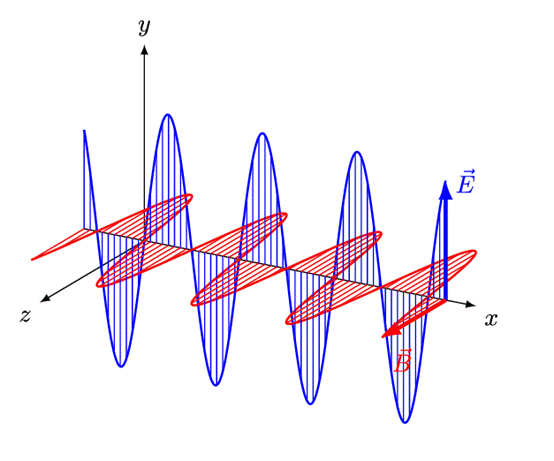
Radio waves serve as the carrier of signals and energy, generated by the mutual coupling of oscillating electric and magnetic fields, adhering to the alternating coupling law of "electricity generates magnetism and magnetism generates electricity". During propagation, the electric and magnetic fields are always perpendicular to each other and both perpendicular to the propagation direction of the wave, making them **Transverse Electromagnetic Waves (TEM waves)**.


Their generation originates from high-frequency oscillating circuits: when the current in a circuit changes rapidly over time, an alternating electromagnetic field is excited in the surrounding space. Once this electromagnetic field detaches from the wave source, it propagates through space in the form of radio waves, without relying on any medium—they can even transmit in a vacuum.

1.2 Relationship between Wavelength, Frequency and Propagation Speed

The core formula governing the relationship between the wavelength (λ), frequency (f) of radio waves and their propagation speed (speed of light \( C \) in a vacuum, approximately \( 3×10^8 \, \text{m/s} \)) is:

\[ \lambda = \frac{C}{f} \]


**Key Conclusion**: In the same medium, frequency and wavelength are strictly inversely proportional—the higher the frequency, the shorter the wavelength. This relationship directly dictates the design dimensions of antennas: for example, the wavelength of a 2.4GHz WiFi signal is approximately 12.5 cm, corresponding to a half-wave dipole antenna length of about 6.25 cm; for a 700MHz low-frequency communication signal, the wavelength is approximately 42.8 cm, requiring a half-wave dipole length of 21.4 cm. Additionally, the electrical performance of an antenna (such as radiation efficiency, gain, and impedance) is directly related to its **electrical length** (the ratio of physical length to wavelength). In practical engineering, the required electrical length must be converted to the specific physical length to ensure the antenna operates properly.


1.3 Polarization of Radio Waves

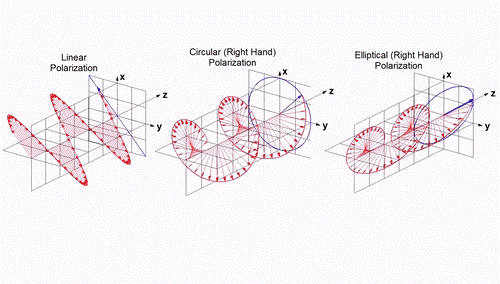
Polarization refers to the variation law of the electric field direction as a radio wave propagates, determined by the spatial motion trajectory of the electric field vector, forming a complete spectrum: **Circular Polarization ← Elliptical Polarization → Linear Polarization**. The core characteristics and application scenarios of the three are as follows:


- **Linear Polarization**: The electric field direction remains fixed, the most commonly used polarization form. A wave with an electric field perpendicular to the ground is a **vertically polarized wave**, which has strong resistance to ground reflection interference and is suitable for terrestrial mobile communications (e.g., traditional 2G/3G base stations); a wave with an electric field parallel to the ground is a **horizontally polarized wave**, commonly used in radio and television transmission, microwave relay communications, and other scenarios.

- **Circular Polarization**: The trajectory of the electric field vector is circular, divided into **left-hand circular polarization** and **right-hand circular polarization**, which are mutually exclusive (a left-hand antenna can only receive left-hand circularly polarized waves, and vice versa). Its core advantage is strong resistance to multipath interference and polarization torsion, making it widely used in satellite communications (e.g., BeidouGPSsatellites), unmanned aerial vehicle (UAV) remote control, and other scenarios.

- **Elliptical Polarization**: The trajectory of the electric field vector is elliptical, the general form of polarization—circular polarization occurs when the major and minor axes of the ellipse are equal, and linear polarization when the minor axis approaches zero. In actual communication environments, due to multipath reflections, obstacle occlusion, and other factors, pure linear or circular polarized waves are often converted into elliptically polarized waves.

1.4 Multipath Propagation

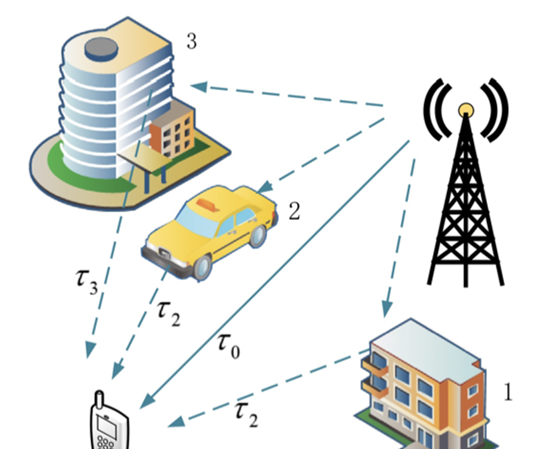
When radio waves propagate, in addition to direct waves, they undergo reflection, diffraction, and transmission when encountering obstacles such as hills, forests, and buildings, resulting in the receiving terminal simultaneously receiving multi-path radio waves—a phenomenon known as **multipath propagation**. Its core impacts include: (1) Complicating the signal strength distribution, causing "shadow fading" and "fast fading" and leading to severe fluctuations in signal strength at the receiving end; (2) Altering the polarization direction of the radio wave, resulting in polarization mismatch and reducing the received signal strength; (3) Generating delay spread (the time difference between signals arriving via different paths), causing intersymbol interference; (4) Causing local signal superposition (enhancement) or cancellation (weakening, depending on the relationship between path difference and wavelength). For instance, in dense urban areas, building reflections generate a large number of multi-path signals, leading to frequent fluctuations in the signal strength received by mobile phones.


The core solution to this issue is **diversity reception technology**, which receives and combines multi-path signals to mitigate interference. It is divided into two categories:

1. **Spatial Diversity**: Utilizes multiple single-polarized antennas with a reasonable spatial layout (spacing greater than 10 times the wavelength) to receive signals via different paths. Suitable for scenarios with low polarization requirements.

2. **Polarization Diversity**: Leverages the orthogonal characteristics of dual-polarized antennas to simultaneously receive two vertically polarized signals (e.g., +45°/-45°). Due to the low correlation of signals, the combined output significantly improves reception reliability, making it the mainstream solution for current 5G base stations.

WWW.WHWIRELESS.COM

kategorijām
karstie produkti
  •  4G FPC elastīga FPC antena pārdošanā

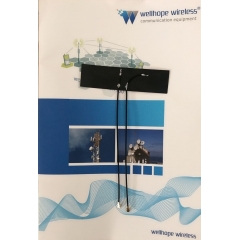
    4G FPC elastīga FPC antena

    Bezspēcīgs 4G FPC Elastīgs Antena WH-4G-FPC4 (griešana) ir daudzpusīgs risinājums Viedā loģistika un noliktavas Tam ir plašs frekvences diapazons no 698-960/1710-2700MHz, nodrošinot stabilu un efektīvu datu pārraidi Ar savu elastīgo dizainu to var viegli uzstādīt uz nemetāliskām virsmām, izmantojot līmi Līdz antena ir viegls, plāns un izturīgs, padarot to ideālu kompaktām telpām Tas atbalsta vairākas lietojumprogrammas, ieskaitot aktīvu izsekošanu, krājumu pārvaldību un IoT Ierīces viedās noliktavās Tā augstā veiktspēja un pielāgošanās uzlabo savienojamību un efektivitāti mūsdienu loģistikā un noliktavu operācijās.

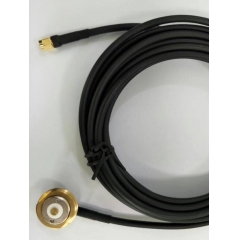
  •  SMA vīrietis nmo3 / 4 LMR195 Rfcable montāža

    RF kabelis SMA Male - Nmo3 / 4 LMR195

    the RF kabelis SMA Male - Nmo3 / 4 rf kabelis LMR195

  • ŠANU WIFI IIOT RŪTERIS Antena

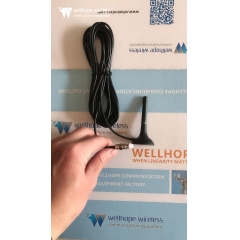
    4G iot maza izmēra augstas veiktspējas magnēta antena

    4G iot mazs izmērs,augstas veiktspējas 4G M2M antena; stabu vara materiāls; augstas veiktspējas ¼ Vienkārša uzstādīšana Montāžas magnēta lūka Vienreizējas liešanas IP67 ūdensnecaurlaidīga antenas bāzeï¼ ir kompakta, augstas veiktspējas magnētiskā stiprinājuma antena, kas piemērota lietošanai ar jebkuru 4G LTE saderīgu modemu vai vārteju. ir aprīkots ar magnētisku bāzi pagaidu uzstādīšanas situācijām un darbojas sešās galvenajās mobilo sakaru, GSM un LTE joslās, kas atbalsta 2G, 3G un 4G mobilo sakaru tehnoloģijas.

  • 5G 4G 3G 2G 8dbi antena

    2x2 MiMo 5G antenas

    Lidostas vidē, 5G antenas piemēram, WH-5G-PX4 un WH-5G-MM8x4, nodrošina stabilu signāla pārraidi. To daudzfrekvenču atbalsts (piemēram, 698–6000 MHz) pielāgojas sarežģītām telpām — termināļiem, skrejceļiem —, novēršot traucējumus. Augstas pastiprinājuma konstrukcijas (8 dBi WH-5G-MM8x4 modelim) palielina pārraides attālumu, aptverot plašas teritorijas. Cilvēkiem stabils 5G signāli ļauj ceļotājiem netraucēti izmantot mobilos pakalpojumus, savukārt darbinieki gūst labumu no efektīvas komunikācijas operāciju veikšanai. Turklāt uzticams savienojums nodrošina lidostas darbību. IoT (lietu internets) sistēmas (piemēram, bagāžas izsekošana, navigācija), uzlabojot kopējo ērtību. Kabelis Pēc izvēles piedāvājam pāri antena tipa kabeļi RG58U ar 2,5 m, 5 m, 10 m un 15 m garumu ar N tēviņa un SMA tēviņa savienotājiem (der visizplatītākajiem LTE maršrutētājiem). Nerūsējošais tērauds 304 visiem "L" kronšteiniem un U skrūvju stiprinājuma skrūvju komplektiem; ļauj strādāt jūras vajadzībām

  •  4g un GPS FPC Maršrutētāja antena

    4g un GPS FPC Antenas bezvadu vārteja IoT Lora Maršrutētāja antena

    Tas FPC 4g antena Wh-4gps-fpc8 ir paredzēts 800MHz (2g / 4g ), 900MHz (4g), 1800MHz (3g / 4g), 2100MHz (4G) un 2600mhz (4G) Frekvenču josla un atbalsta visus noteiktos standartus, piemēram, GSM, 2G, 3G un 4g (800 / 900 / 1800 / 2100 / 2600). un GPS 1575.42MHz viegli instalēt 3m līmes montāža .

  • 2×2 MIMO 5G antena

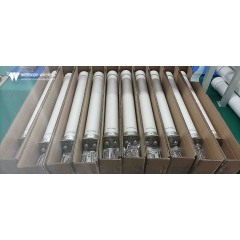
    2×2 MIMO 5G antena Omni Cellular Sub6

    WH-5G-ST6x2 ir 5G antena paredzēts rūpnīcas signāla pārklājums Tas darbojas frekvenču diapazonā no 700 līdz 4800 MHz, ļaujot atbalstīt plašu 5G lietojumprogrammu spektru. Ar 6 dBi x2 pastiprinājumu tas efektīvi palielina signāla stiprumu, nodrošinot uzticamu saziņu rūpnīcas vidē. Tajā ir funkcijas N sieviete x2 savienotāji, kas ir nozares standarts, lai nodrošinātu vienkāršu uzstādīšanu un pievienošanu attiecīgajām sakaru iekārtām. Tās kompaktais izmērs, kura izmēri ir φ75X200 mm, padara to piemērotu dažādiem uzstādīšanas scenārijiem rūpnīcās. Šai antenai ir izšķiroša nozīme savienošanā 5G stacija un rūpnīcā, veicinot netraucētu 5G signāls izplatīšana rūpniecības objektos. Kabelis Pēc izvēles piedāvājam pāri antena tipa kabeļi RG58U ar garumu 2,5 m, 5 m, 10 m un 15 m ar N tēviņa un SMA tēviņa savienojumu (der visizplatītākajiem LTE maršrutētāji ) savienotāji.

  •  GNSS 5g 4g LTE IoT WiFi Mimo 6 in 1 antenas

    Āra transportlīdzekļa kombinācijas antena 6 Antenā

    GNSS 5g 4g LTE WiFi Mimo 6 in 1 antenas IP67

  •  5g Nr LTE Mimo Augsts ieguvums Omni Mimo antena

    5g 4g LTE Mimo 6dbi X2 Īss Omni Mimo antena

    4g & & & 5g Ārējā antena paredzēti, lai palielinātu tīkla pārklājumu ēkās ; Omni antena 200mm neliels dimensijaNāk ar 5 metriem zema zaudējuma kabeļa, kas izbeigts ar SMA vīrietis savienotājs. The antenair paredzēts Masta / Pole vai sienas rokturis Uzstādīšana. Montāžas komplekts (leņķis kronšteins un u-skava par 30-50mm diametrs rokturi) ir iekļauts. attiecas uz āra vidi.IP67

  • MiMo 6 x6 2G 3G 4G 5G DVBT WiFi GNSS transportlīdzekļa antena

    MiMo 6x6 2G 3G 4G 5G DVBT WiFi GNSS transportlīdzekļa antena

    [ja !atbalstaSaraksti] Autoostas vidē WH-5GDVB-08x8 darbojas kopā, lai uzlabotu 5G tīkls pārklājums. 5G MIMO antena var palielināt jaudu un datu pārraides ātrumu, izmantojot savu vairāku ieeju un vairāku izeju tehnoloģiju, savukārt 5G paneļa antena var nodrošināt mērķtiecīgu un virziena pārklājumu, garantējot, ka autobusi, pasažieri un staciju sistēmas var baudīt uzticamu un ātrgaitas satiksmi 5G komunikācija dažādiem pielietojumiem. [endif] Antena ir deviņu portu antena ar diviem elementiem, kas paredzēta 617–6000 MHz diapazona pārklājumam. mobilo sakaru joslas, divi elementi, kas paredzēti 2,4–2,5 un 4,9–6 GHz frekvenču diapazona aptveršanai bezvadu internets un DVBT joslām un vienu GNSS elements. Antenu var uzstādīt uz transportlīdzekļa jumta vai citas fiksētas konstrukcijas. Antena atbilst vai pārsniedz dažādas vides izturības specifikācijas transporta lietojumprogrammām. Šis antena ir visvirzienu, izturīga, pilnībā IP67 ūdensnecaurlaidīga ārēja ierīce M2M antena priekš izmantošanai telemātikas, transporta un tālvadības uzraudzības lietojumprogrammās. Antenai ir sava iezemētā plakne, un tā var izstarot signālu uz jebkuras montāžas vides, piemēram, metāla vai plastmasas, neietekmējot veiktspēju. Kabeļiem ir zemi zudumi, kas ļauj izmantot līdz pat 4 metru garumu, kas ir kritiski svarīgi autobusiem, vilcieniem un citiem komerciāliem transportlīdzekļiem. Pieejamas pielāgotas kabeļu un savienotāju versijas.

  • UHF 433 MHz RFID cirkulāra polarizēta plākstera antena

    433MHz apļveida polarizācijas RHCP plakanā paneļa antena

    RFID labās puses apļveida Pola plakana paneļa antena ar 1 N-veida savienotāju. Frekvence 428-438 MHz, augsts pastiprinājums 9 dBi. Izmēri ir 450X450X110(MM). Svars ir 2kg.

Sazināties
  • Wellhope bezvadu sakaru iekārtas Ltd (Ķīna):

    No.8, Bidi Road Xinan Street SanShui District FoShan City, Guangdong , China

  • ir jautājumi? piezvani mums

    tālr : 0086 757 87722921

  • sazinieties ar mums

    e-pasts : wh@whwireless.com

    e-pasts : kinlu@whwireless.com

    whatsapp : +8613710314921

Seko mums :

Facebook instgram Linkedin Youtube TikTok VK
Nosūtīt ziņu
laipni lūdzam Wellhop bezvadu tīklā

tiešsaistes pakalpojums

mājas

produktiem

jaunumi

kontaktpersona